Indigenous Peoples and Imperialism
Who are the indigenous people of Latin America?
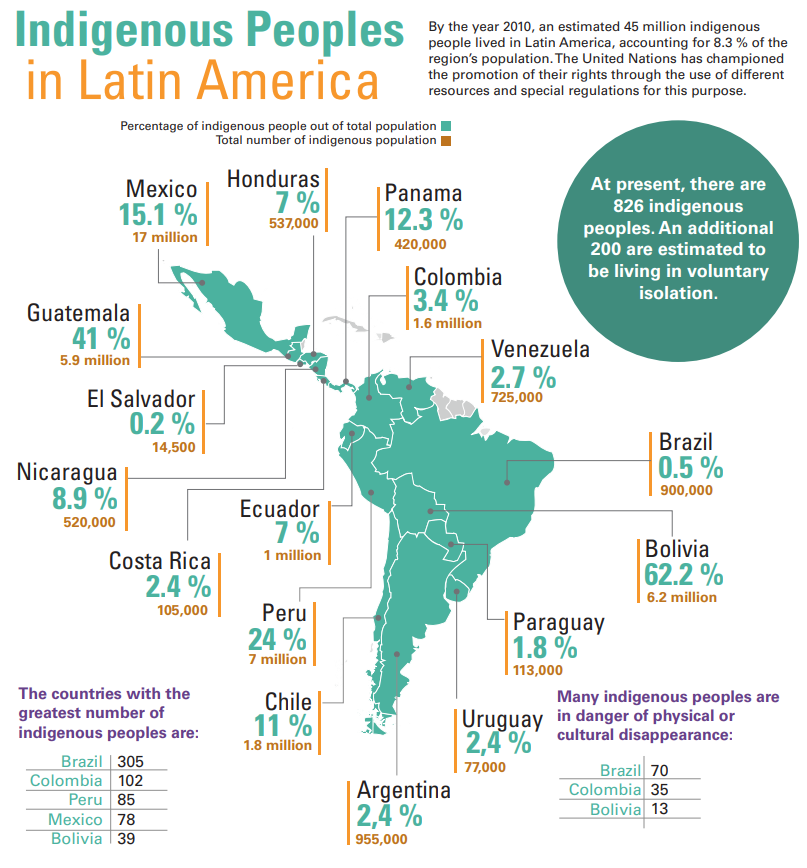
From the Economic Commission for Latin America (ECLAC), it was estimated that by 2010, about 46 million Indigenous people lived in Latin America, accounting for 8.3% of the region’s population. Bolivia stands out with a notably high Indigenous population, making up 62.2% of its total population, or roughly 6.2 million people. Similarly, Guatemala’s Indigenous population comprises about 41% of its total population. There are also approximately 826 recognized Indigenous groups across Latin America, with Brazil having the largest number of distinct Indigenous groups at 305, while Bolivia has the largest total Indigenous population in the region.
U.S. Indigenous Vs. LATAM Indigenous
Key Terms
These terms will be crucial to understanding the concepts that will be taught to students.
| Term | Definition |
| Colonization | Establishing control over areas or peoples for foreign people to advance their trade, cultivation, exploitation, and settlement. |
| Settler colonialism | A system where settlers come to stay and build a new society by removing Indigenous peoples from land (through violence, land, or displacement). |
| External colonialism | A particular form of colonialism involving political and economic control of less powerful nations by more powerful ones. |
| Internal colonialism | An ethnic/racial minority group dominated and exploited within a nation state by the dominant group. Unlike traditional colonialism, which involves control over territories beyond national borders. |
| Indigenous | A label used to describe peoples who existed before colonization and can be used to describe the indigenous peoples of the Americas. |
| Native American | A term used to refer to the original inhabitants of United States, Alaska, and Canada. |
| Mestizas/os/xs | A label used to describe peoples that has a combination of mixed heritage, which often included indigenous lineage, along with Africa or European backgrounds. |
| Afro-latino/latinx | A label that describes people from Latin America of African descent. |
| Imperialism | Dominating countries extending control over people’s land, economy, and politics. |
| Conquest | the act of taking control of a country and or city through the use of force. |
| Land dispossession | Process of which individuals or communities are forcibly removed from their indigenous land through force, law, or unfair agreements. |
| Sovereignty | Right for states to govern themselves, make laws, and manage its affairs without external forces. |
| Treaty | An agreement between two or more sovereign states, which is governed by international law, creating obligations and rights among the parties. |
| Colonial law | Legal framework established by colonial powers often aimed at securing land and resources. |
| Forced displacement | Involuntary movement of individuals and or communities from their homes due to violence, human rights violations, persecution, or natural disasters. |
Lesson Activities
Extra Resources
Books
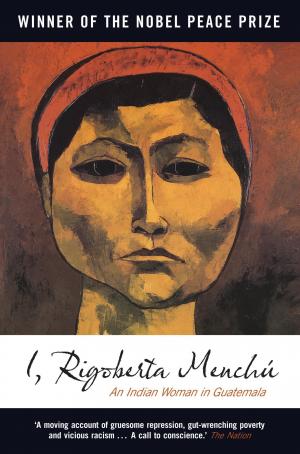
I, Rigoberta Menchu an Indian Woman in Guatemala (2nd edition)
Rigoberta Menchú
Novel Peace Prize winner, Rigoberta Menchú, reflects on her life as an Indigenous woman living in rural Guatemala. She’s had to suffer injustice and hardship early in her life, but through it all she became involved in social reform in her teens and was prominent in the women’s right movement.

Rigoberta Menchú
The autobiography picks up where the first installment ends, Menchu fleeing from Guatemala to Mexico City. The book follows her political campaign after leaving her country but returning as a representative of the opposition in exile. The book follows themes of violence, trauma, and persistence with perseverance.
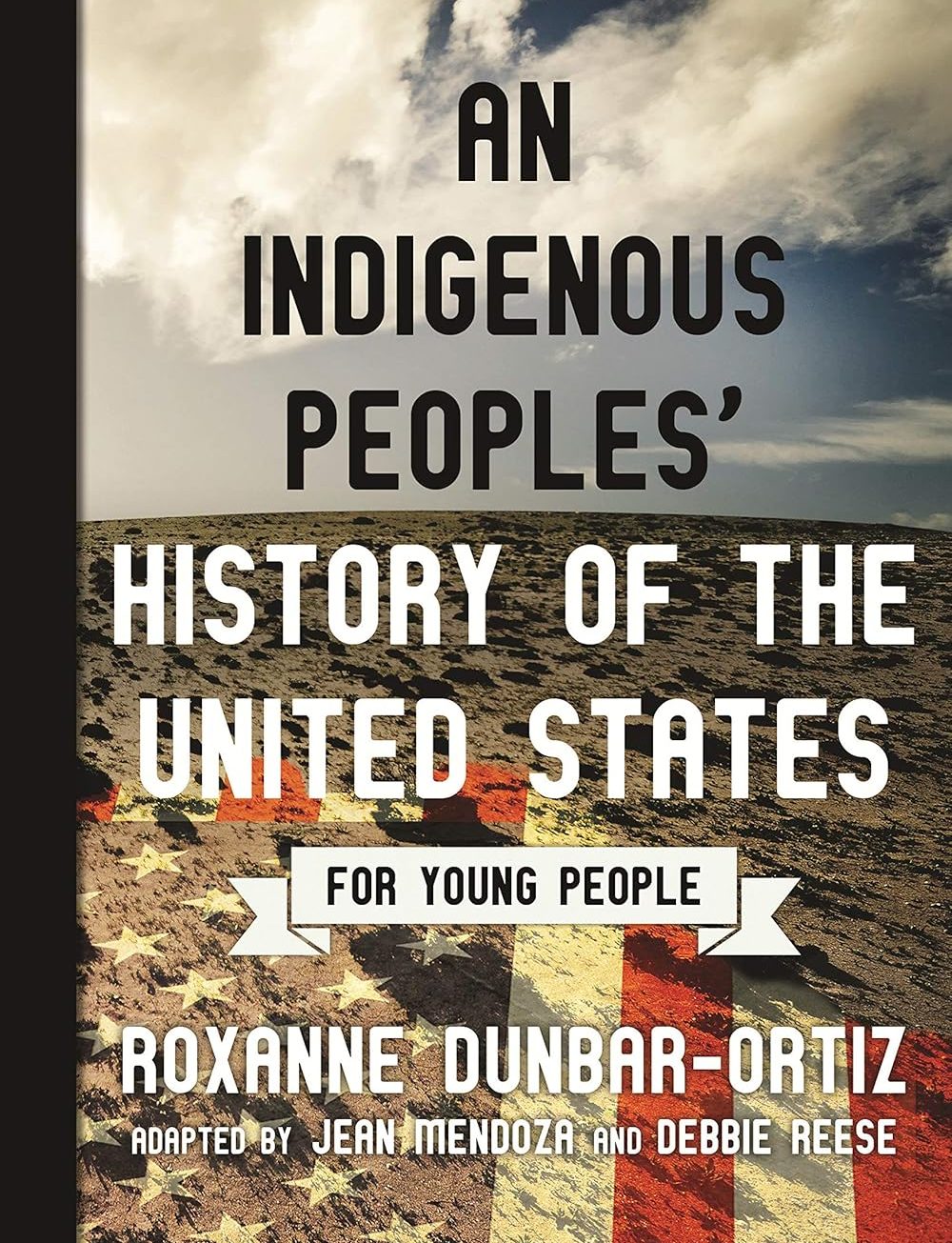
An Indigenous Peoples History of the United States for Young People
Roxanne Dunbar-Ortiz
Indigenous human rights advocate Roxanne Dunbar-Ortiz discusses how both settler colonialism and policies of American Indian genocide plated in forming the country’s identity. The original text is adapted for middle grade and young adult readers.
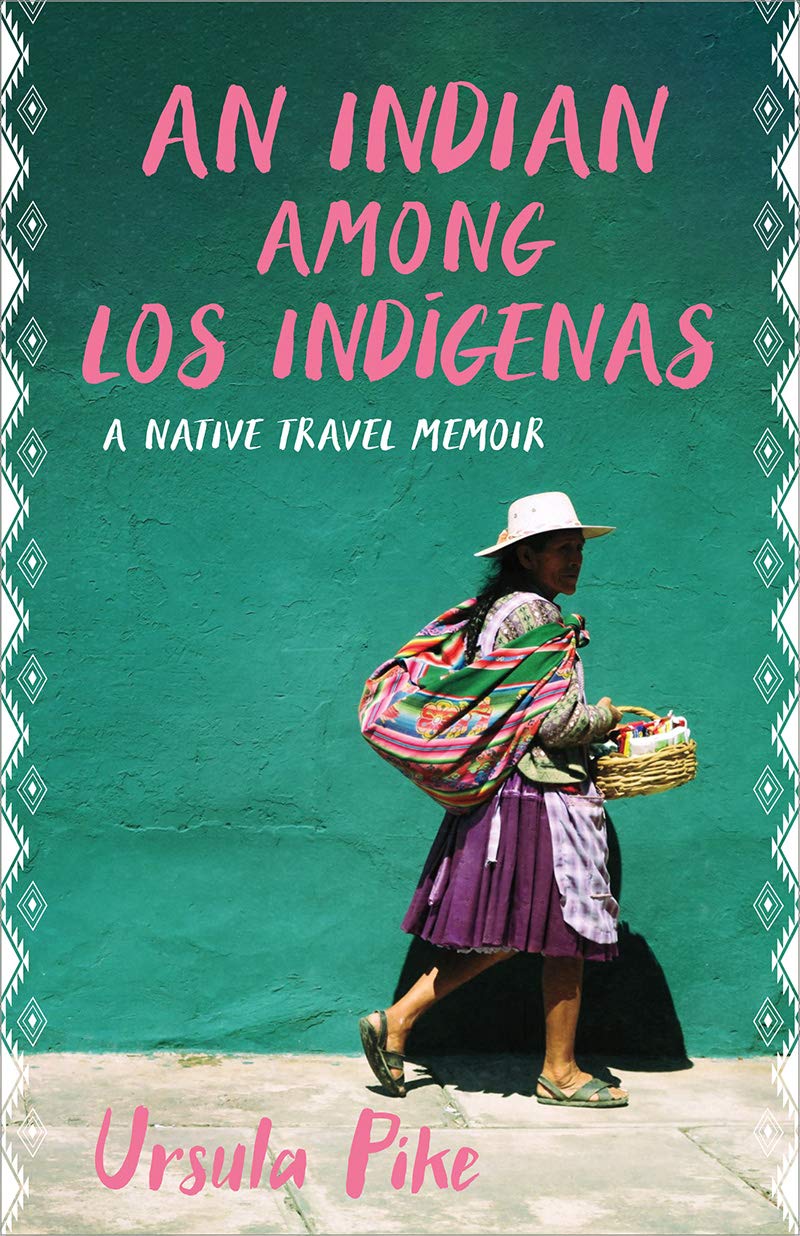
An Indian Among Los Indígenas: A Native Travel Memoir
Ursula Pike
At the age of twenty-five, Ursula Pike went to Bolivia and began her service in the Peace Corps. As a member of the Karuk tribe, she sought to make connections in La Paz, where she served. In the two years she’s resided, she began to ask herself: what does it mean to have experienced the effects of colonialism firsthand, and yet to risk becoming a colonizing force in turn?
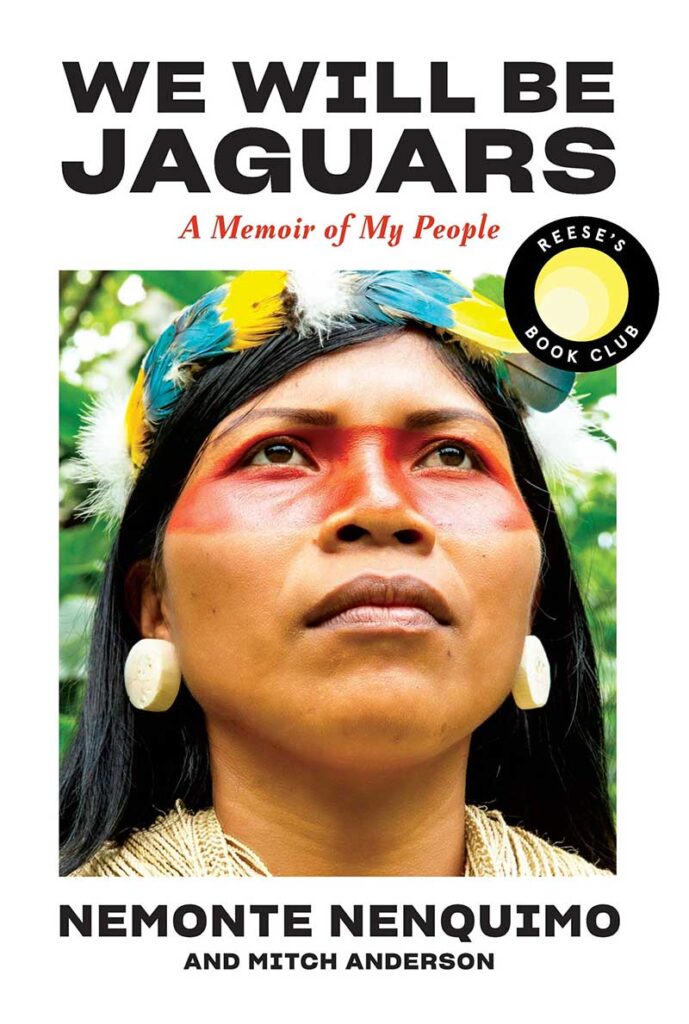
We Will Be Jaguars: A Memoir of My People
Nemonte Nenquimo and Mitch Anderson
Born into the Waorani tribe of Ecuador’s Amazon rainforest, one of the last to be contacted by missionaries in the 1950s. She was taught about plant medicines, foraging, oral storytelling, and shamanism by her elders. By fourteen, she left to study with an evangelical missionary group in the city. But one day, her ancestors appeared in her dreams, pleading with her to return and embrace her own culture. She’s united many indigenous nations across the Upper Amazon in a battle against Big Oil, which has protected over a half a million acres of rainforest.
Music

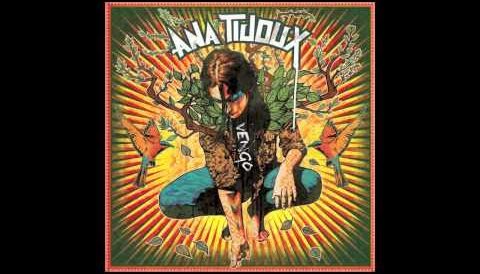
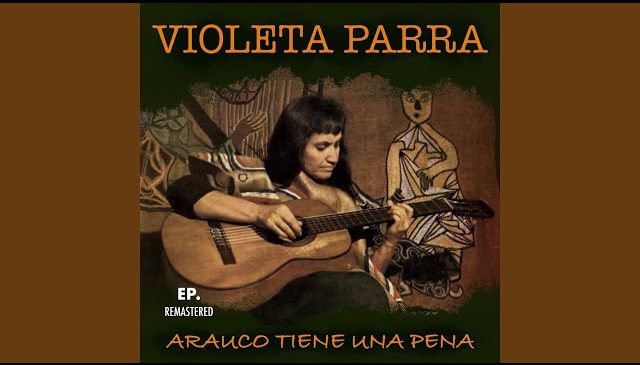
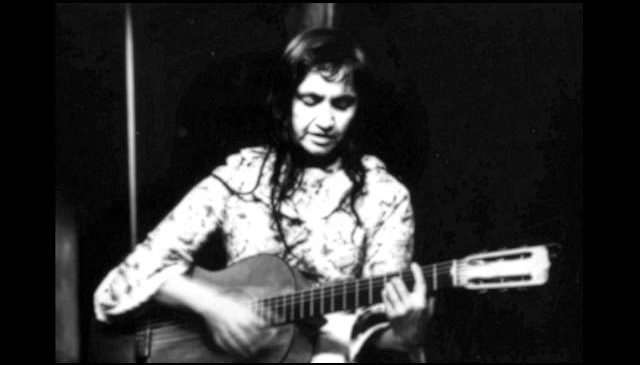
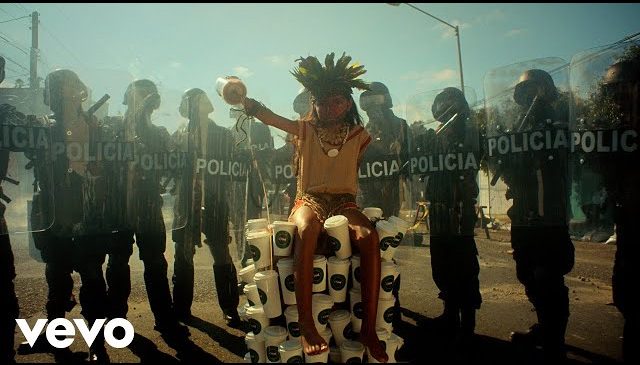
The videos follow such order:
- Calle 13 – Latinoamérica
- Ana Tijoux – Somos Sur (We’re South)
- Violeta Parra -Arauco Tiene Una Pena (Arauco Has a Sorrow)
- Violeta Parra – La Carta (The Letter)
- Residente ft. Ibeyi -This is Not America
To us Mother Earth is not only a source of economic riches that give us the maize, which is our life, but she also provides so many other things that the privileged ones of today strive for. The Earth is the root and the source of our culture. She keeps our memories, she receives our ancestors and she, therefore, demands that we honor her and return to her, with tenderness and respect… we have to take care of her so that our children and grandchildren may continue to benefit from her. If the world does not learn now to show respect to nature, what kind of future will the new generations have?
– Rigoberta Menchú Tum, Nobel Prize lecture 1992
Art
These artists below show artwork that offer visual perspectives on Indigenous peoples, imperialism, and colonial violence across Latin America, from early Indigenous documentation to contemporary artistic critique.
Felipe Guaman Poma de Ayala
A Quechua nobleman who documented everyday Andean life before, during, and after the Spanish conquest. His illustrated manuscript El primer nueva corónica y buen gobierno (c. 1615) combines text and drawings to critique colonial abuse and defend Indigenous traditions.
Enrique Chagoya
A Mexican-American artist whose work critiques imperialism and cultural domination, particularly as they affect Indigenous peoples. Chagoya blends Indigenous symbols with modern political and popular imagery to question power and history.
Seba Calfuqueo
A Mapuche visual and performance artist from Chile whose work addresses Indigenous identity, colonial violence, and the relationship between body, territory, and nature, challenging Western colonial narratives
María Teodora Méndez de González
A Guatemalan artist and one of the first Maya women to work in oil painting. Her work portrays daily life, traditions, and social roles within Tz’utujil Maya communities.
Indigenous peoples have the right of self-determination. By virtue of that right they freely determine their political status and freely pursue their economic, social and cultural development
– United Nations, United Nations Declaration on the Rights of Indigenous Peoples, Article 3 (2007)
Films
- Harvest of Empire: The Untold Story of Latinos in America
- Recommended age: High School (14+)
- El lugar más pequeño (The Tiniest Place)
- Recommended age: High School (15+)
- 500 Years | New Day Films
- Recommended age: Middle to High School (13+)
- When Two Worlds Collide (2016)
- Recommended age: High School (14+)
- The Territory (2022)
- Recommended age: Middle School (11-12+)
“The process of independence for Latin American states without decolonizing society could not have been, and it was not, a process toward the development of modern nation-states, but was instead a rearticulation of the coloniality of power over new institutional bases.”
– Aníbal Quijano, “Coloniality of Power, Eurocentrism, and Latin America,” Nepantla: Views from South 1(3), 2000, p. 567.
Harvest of Empire: The Untold Story of Latinos in America
Type: Documentary
Year: 2012
Director: Pamela Yates
Audio Language: English & Spanish
Subtitles: English
Recommended age: High School (14+)